What makes the crater special
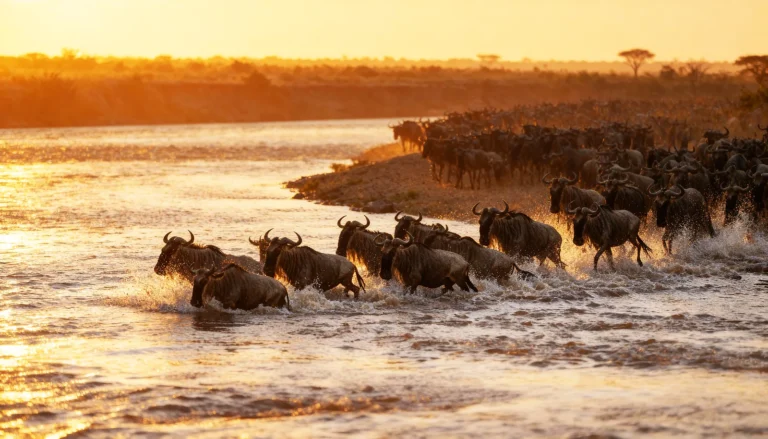
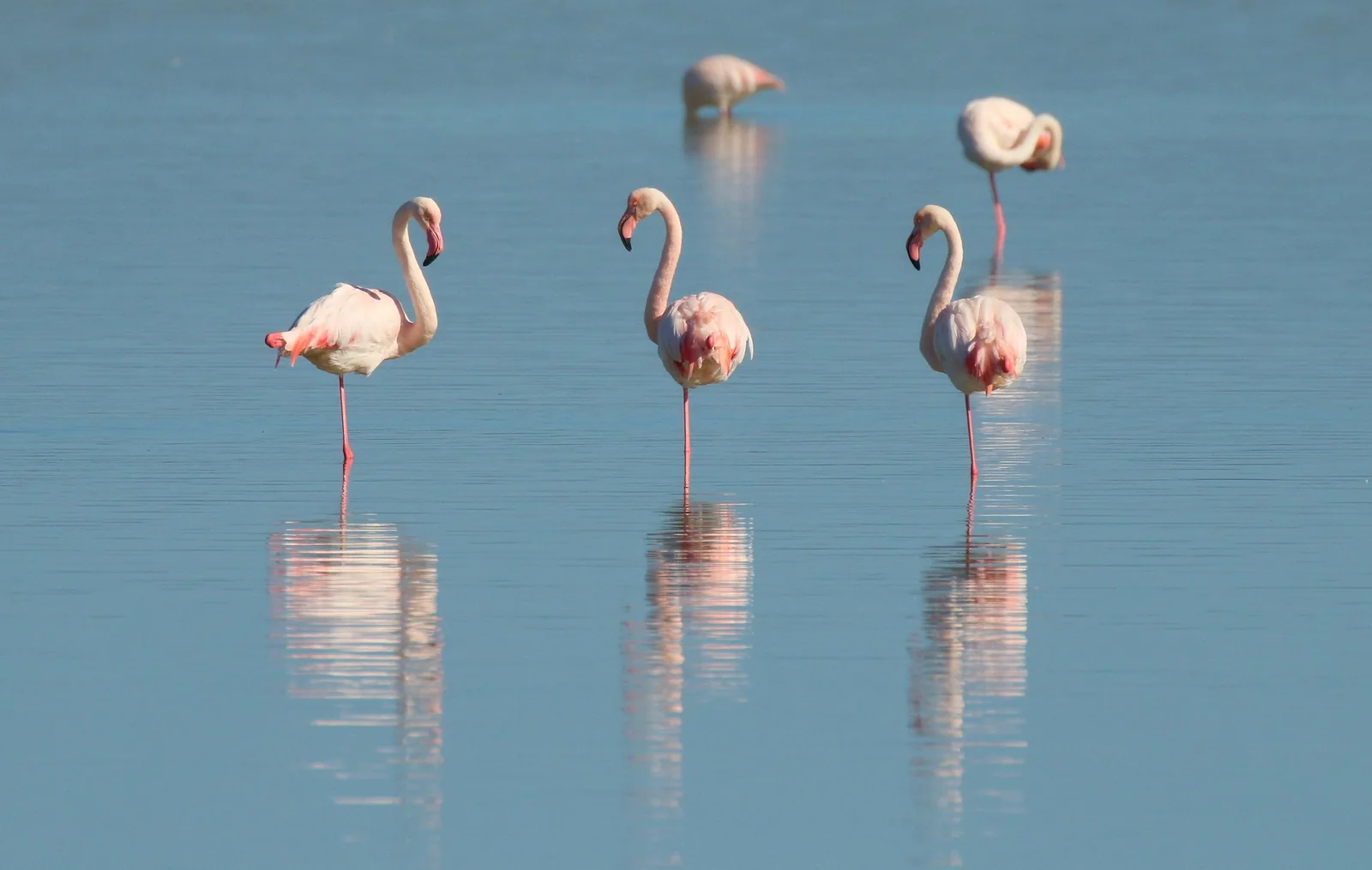
The crater floor packs grassland, swamp, forest and a soda lake into a compact bowl. That variety supports an extraordinary density of wildlife. It is one of the best places in Africa to see the endangered black rhino, completing the Big Five in a single morning is a real possibility here. Lions, elephants, buffalo, hippos, flamingos and huge herds of zebra and wildebeest all share the floor.
When to go and what to expect
The crater rewards an early start. We aim to descend soon after the gates open, when the light is soft, the air is cool, and predators are still active. By late morning it can get busier. The crater is good year-round, though the dry season concentrates animals and makes the tracks easier. Bring a warm layer: the rim sits at over 2,300 metres and mornings are genuinely cold.
Practical notes
Vehicles must stay on the tracks and descend by the designated roads; off-road driving is not permitted, which protects the fragile floor. A crater descent typically forms one full day of a wider northern-circuit safari, often paired with the Serengeti or Tarangire. Conservation fees for the Ngorongoro Conservation Area are among the highest in Tanzania, which is worth building into your budget.
How we plan it
Most of our itineraries stay on the crater rim the night before, so we can be among the first vehicles down. We carry a packed breakfast and picnic lunch to maximise time on the floor. If seeing a black rhino matters to you, tell your guide; we know where they tend to be and will prioritise the search.