Some of the best safari photographs I have seen were taken on modest cameras and phones. Great wildlife photography is less about expensive equipment than about being in the right place, at the right time, and being ready. Here is practical advice from years of watching guests photograph the bush.
Light is everything
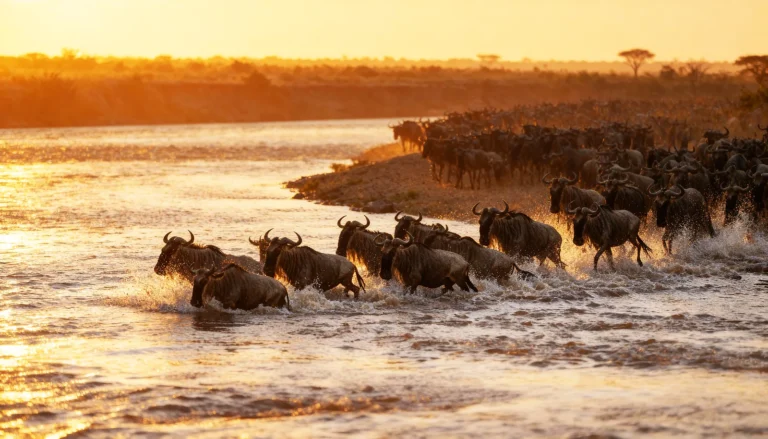
The golden hours just after sunrise and before sunset give warm, soft, directional light that flatters everything. This is also when animals are most active. The harsh midday sun flattens colours and creates hard shadows. Plan your serious shooting for early and late, which happily is also when the wildlife is at its best.
Get the eyes sharp
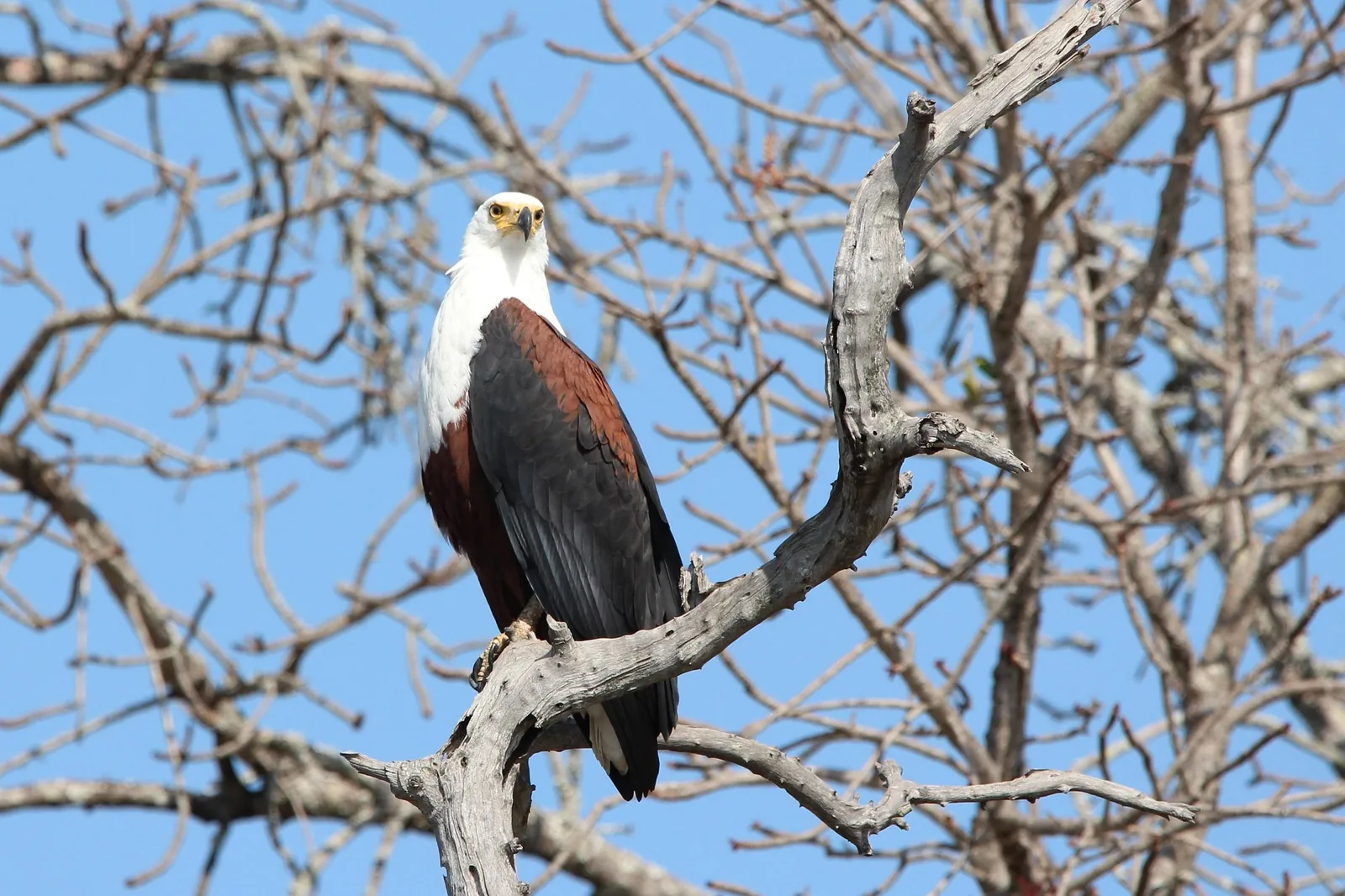
If the animal's eyes are in focus, the photograph works. Focus on the eyes and let the rest follow. A catchlight, a glint of light in the eye, brings an image alive.
Steady your shot
In a moving, sometimes vibrating vehicle, camera shake ruins more safari photos than anything else. Rest your lens on a beanbag or a rolled jacket on the window frame. Ask your guide to switch off the engine when you stop for a sighting; a running engine vibrates the whole vehicle.
Work with your guide
Tell your guide you are keen on photography. A good guide will position the vehicle for the best light and angle, get you closer to eye level, and be patient while you wait for the moment. Communication makes an enormous difference. Be ready before you arrive at a sighting, with your settings checked and your camera in hand.
Think beyond the trophy shot
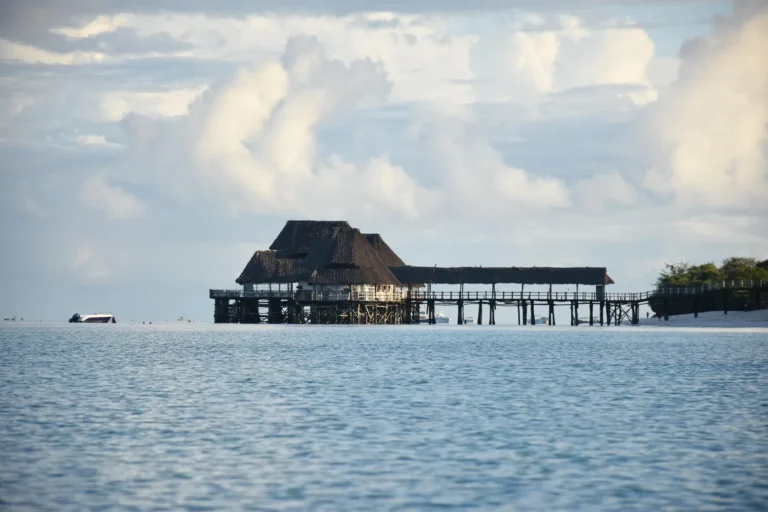
The full-frame lion portrait is wonderful, but so is the wide shot of a lone acacia against a vast sky, or a herd small in a huge landscape. Capture the atmosphere and the scale, not only the close-ups. And remember to put the camera down sometimes and simply watch; some moments are best kept in memory.