The regions, briefly
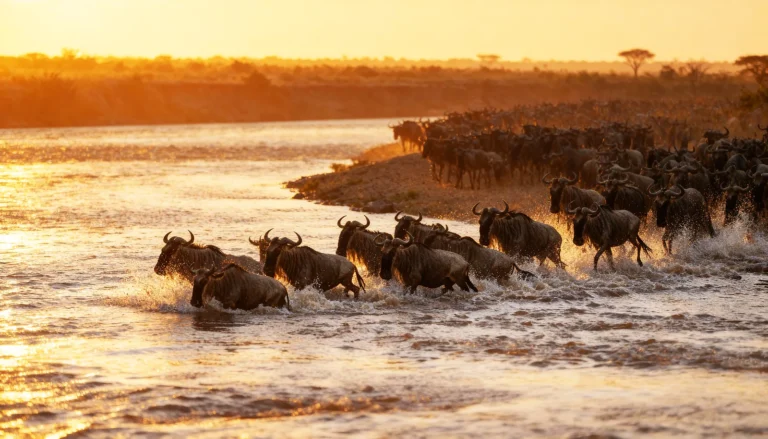
The central Serengeti (Seronera) has resident wildlife year-round, permanent rivers, and excellent big-cat viewing. It is a reliable choice in any month. The southern plains (Ndutu) host the calving season from December to March. The western corridor sees the herds and the Grumeti River crossings around June. The northern Serengeti (Kogatende) is where the Mara River crossings happen from August to October.
Matching season to region
This is the whole game. If you visit in February, stay south for the calving. If you visit in September, stay north for the river crossings. Staying in the wrong region for the season is the most common and most avoidable mistake first-timers make. A knowledgeable operator will place you correctly.
What a day looks like
Most days follow a rhythm: an early game drive when predators are active and the light is beautiful, a return to camp through the heat of the day, and an afternoon drive into the evening. Some travellers add a hot-air balloon flight over the plains at dawn, which is unforgettable. Full-day drives with a picnic lunch let you range further.
How long to stay
Give the Serengeti at least three nights, more if you can. It is too large and too rewarding to rush. Combined with the Ngorongoro Crater and Tarangire, a week on the northern circuit gives a rich, well-rounded first safari. Tell us your dates and priorities, and we will design the routing around the season.