Clothing: think neutral, layered, and light
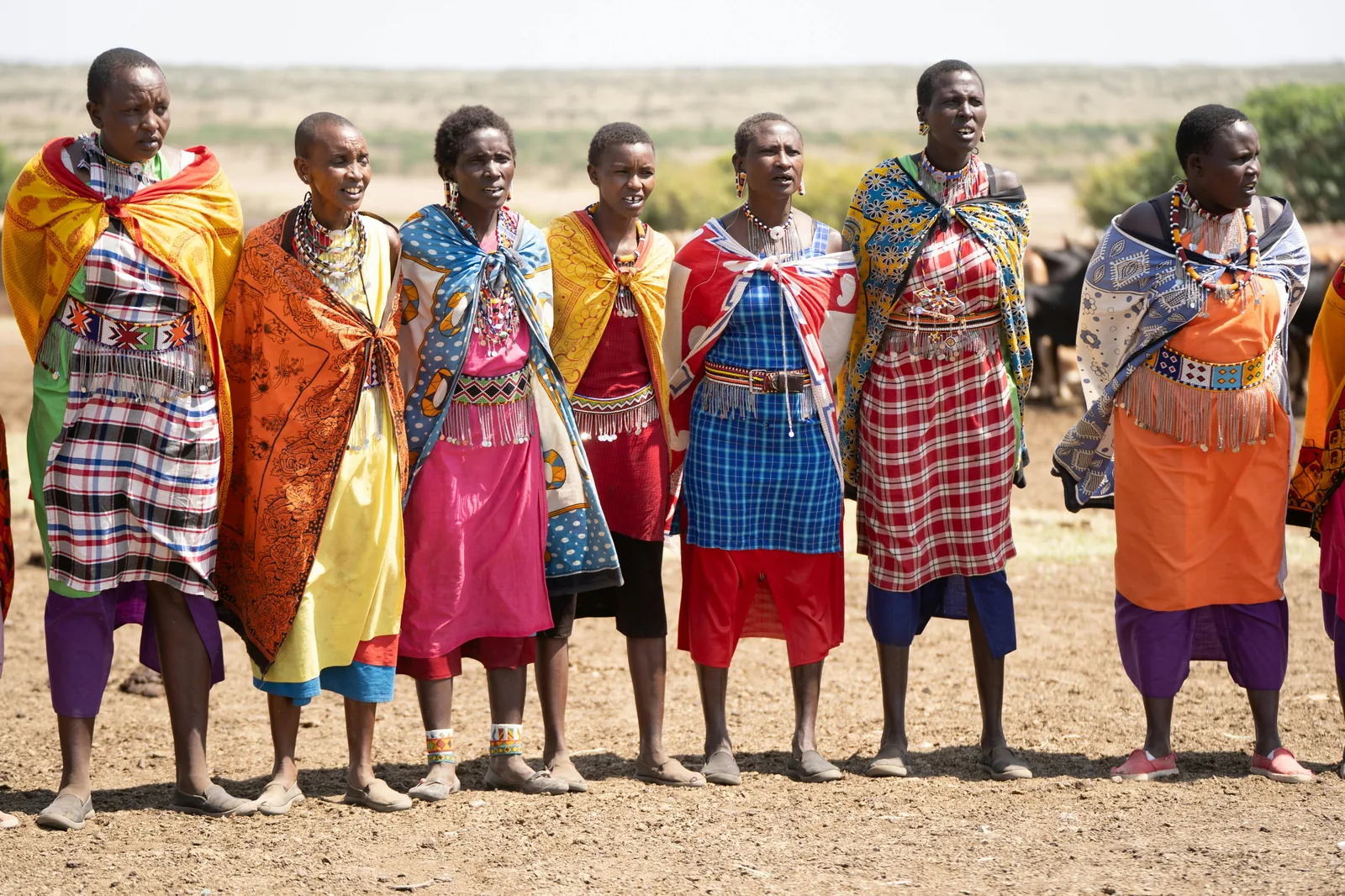
Days are warm and mornings are cold, especially on the Ngorongoro rim and during early game drives. Layers are the answer. Bring neutral colours, khaki, olive, tan, brown. These hide dust and do not startle animals. Avoid bright white, which shows every speck of dust, and avoid dark blue and black, which attract tsetse flies in some areas.
- Two or three pairs of lightweight trousers
- A few short and long-sleeved shirts (long sleeves protect against sun and insects)
- One warm fleece or jacket for cold mornings
- A light waterproof layer, especially in green season
- A wide-brimmed hat and good sunglasses
- Comfortable closed shoes; you rarely need heavy hiking boots unless you are trekking Kilimanjaro or Meru
The small things that matter most
These are the items experienced travellers never forget and first-timers always wish they had brought.
- A good pair of binoculars, one per person. This single item transforms a safari. Do not share one pair.
- A power bank and your camera charger. Camp power can be limited.
- Sunscreen and lip balm with SPF. The equatorial sun is strong.
- Insect repellent with DEET
- Any personal medication, in your hand luggage
- A soft duffel bag, not a hard suitcase. Light aircraft on fly-in safaris have strict soft-bag limits, usually around 15kg.
Health and documents
Bring your passport with at least six months validity, your visa or the details to get one on arrival, and proof of yellow fever vaccination if you are arriving from or transiting a country where it is required. Consult a travel clinic about malaria prophylaxis well before you travel. Carry a copy of your travel insurance that includes medical evacuation.
What to leave at home
Leave the heavy zoom lens you have never practised with, the formal clothes, the hairdryer, and most of the just-in-case items. Camps provide laundry, so you can pack fewer clothes than you think and wash as you go. Drone use is restricted and generally not permitted in the national parks without special permits, so leave it behind unless you have arranged permissions in advance.
A final word
The best-packed travellers are the ones who bring less. A soft bag, layers in neutral colours, good binoculars, and your camera will carry you through almost any Tanzania safari in comfort. Everything else, we can usually help with once you arrive.