Tarangire is the park travellers most often underrate, and the one they most often come back raving about. In the dry season it holds one of the largest elephant populations in Tanzania, and its landscape of giant baobab trees and the meandering Tarangire River is unlike anywhere else on the northern circuit.
The elephants
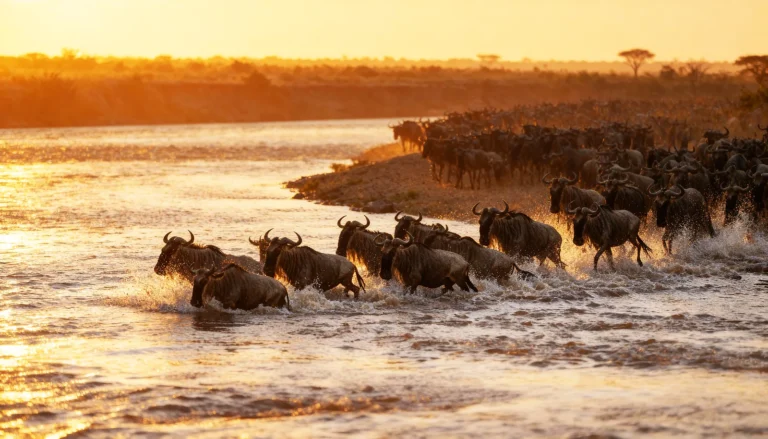
From June to October, as the surrounding land dries out, animals converge on the Tarangire River, the park's lifeline. Elephant herds gather in the hundreds. Watching a long line of elephants file down to drink, with baobabs behind them, is one of the great sights of a Tanzania safari. This is also excellent country for lion, leopard and large herds of buffalo, zebra and wildebeest.
The baobabs
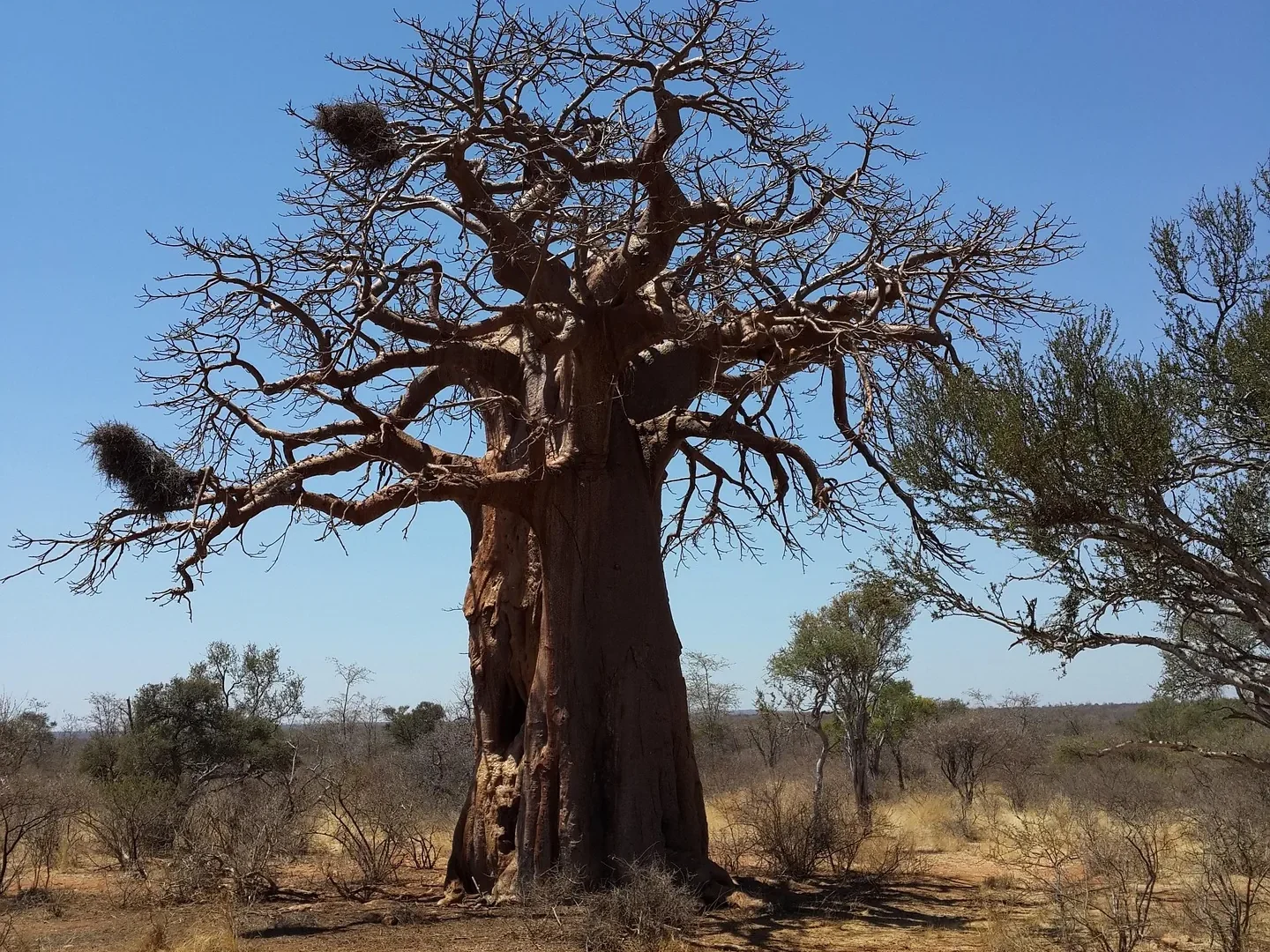
Tarangire is famous for its ancient baobabs, some many centuries old, their swollen trunks storing water through the dry months. They give the park a timeless, almost prehistoric character and make for unforgettable photographs, especially in the golden light of early morning and late afternoon.
When to go
The dry season, June to October, is Tarangire at its very best, when the river draws in the wildlife. In the green season the herds disperse and animals are harder to find, though the birdlife is superb; Tarangire records over five hundred bird species. If your trip falls in the dry months, give Tarangire at least a full day, not a rushed morning.
Why it is quieter
Because many itineraries prioritise the Serengeti and Ngorongoro, Tarangire often sees fewer vehicles. That means quieter sightings and a more intimate feel. We think it deserves more time than it usually gets, and we build our northern-circuit trips accordingly.