The dry season: June to October
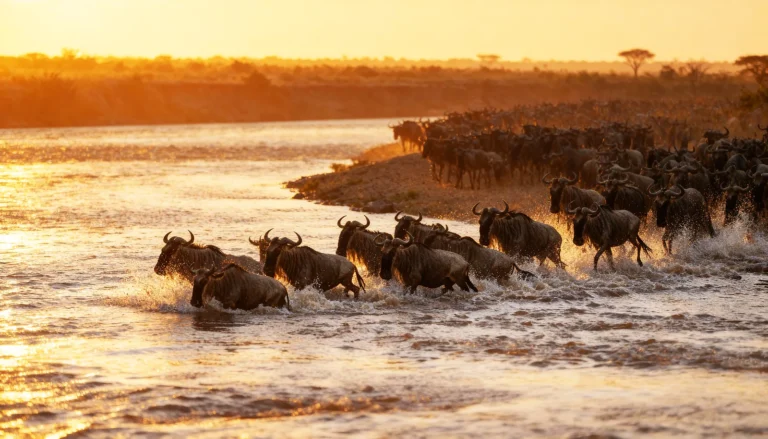
This is the classic safari season and the most popular. The rains have stopped, vegetation thins, and animals gather around shrinking water sources, making them easier to find. Skies are clear, mornings are crisp, and the Mara River crossings peak from August to October. The trade-offs are higher prices and busier parks. If you want the highest concentration of wildlife and the famous river crossings, and you are willing to pay peak rates and share sightings, book the dry season, and book early.
The green season: November to May
The rains bring a different Tanzania: lush, green, dramatic skies, newborn animals, and migratory birds in spectacular numbers. The southern Serengeti calving in February is a highlight of the entire year. Prices drop, camps are quieter, and the light for photography is superb. The short rains of November and the long rains of April and May can bring afternoon showers, and some minor roads get muddy, but game viewing remains excellent and the value is unmatched.
Month by month, in brief
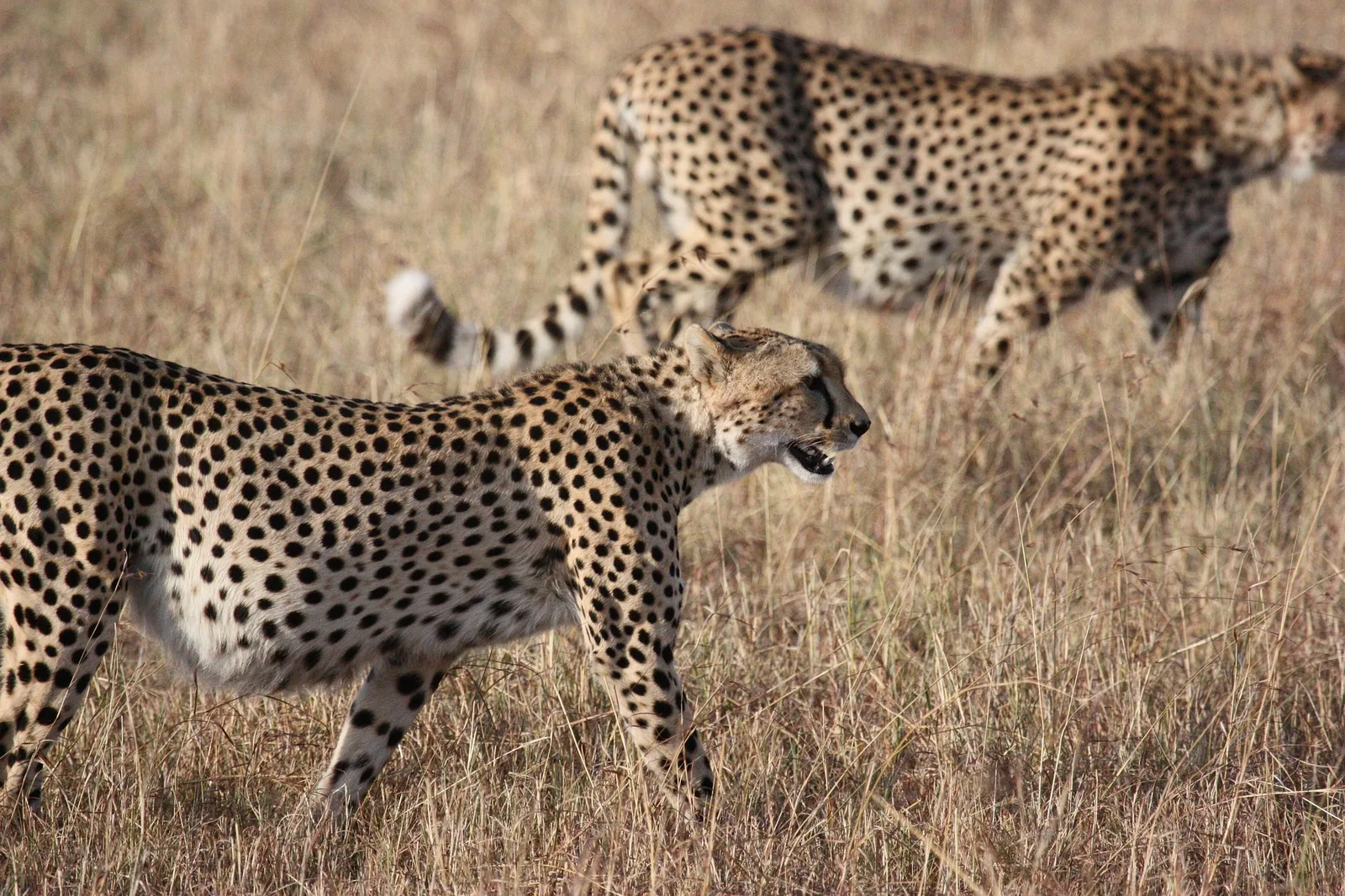
- January to February: Calving season on the southern plains. Superb predator action. Warm and mostly dry between showers.
- March to May: Long rains, green and quiet. Lowest prices. April and May are the wettest; some camps close.
- June to July: Dry season begins. Herds move to the Western Corridor. Excellent game, building crowds.
- August to October: Peak season. Mara River crossings in the north. Best wildlife density, highest prices.
- November: Short rains, the herds return south. A quiet, rewarding shoulder month.
- December: Herds on the southern plains, holiday-season demand. Book well ahead.
Beyond the migration
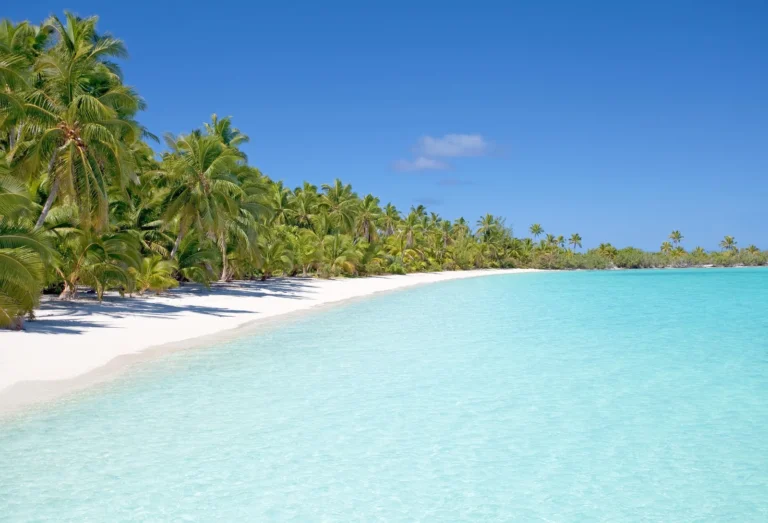
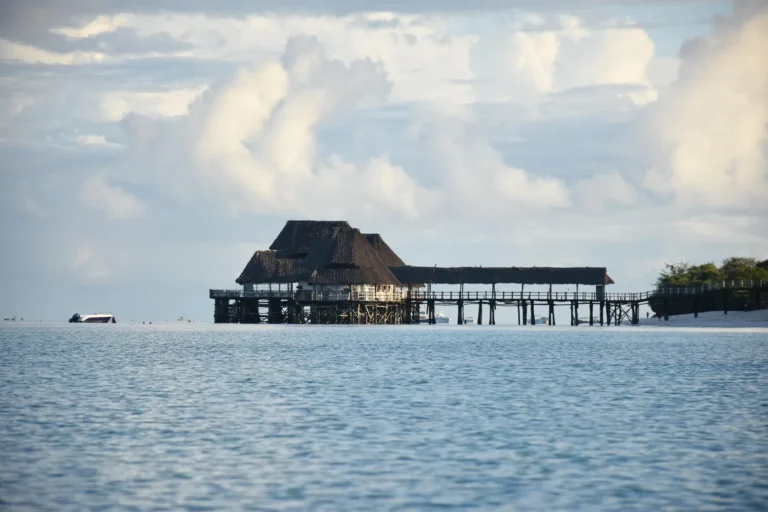
Remember that the migration is only one part of Tanzania. The Ngorongoro Crater, Tarangire's elephants and baobabs, and Lake Manyara's tree-climbing lions are rewarding year-round. Tarangire is at its best in the dry season when huge elephant herds gather along the river. If you want to combine a safari with Zanzibar's beaches, the dry months of June to October and December to February give you the most reliable coastal weather.
Our honest advice
If you want the migration river crossings, come in August or September and book early. If you want dramatic predator action and value, come in February for the calving. If you want green landscapes, low prices and few vehicles, come in the green season and accept the occasional shower. Tell us what matters most to you, and we will build the trip around the right season.